Future of Cybersecurity: Trends and Innovations to Watch
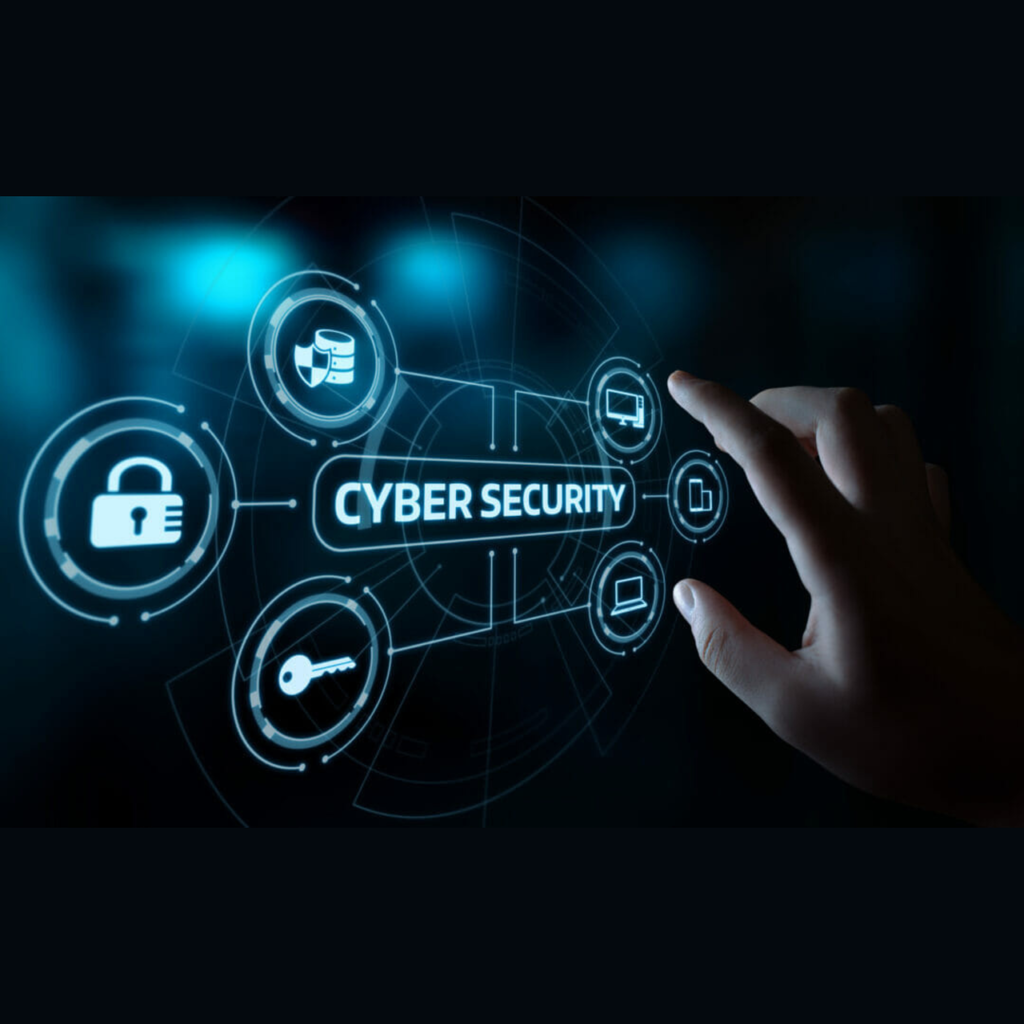
As businesses continue moving toward digital platforms, cloud systems, AI-powered tools, and connected devices, cybersecurity has become one of the most important concerns in the modern technology landscape. Cyber threats are evolving rapidly, and traditional security methods are no longer enough to protect businesses from sophisticated attacks.
From ransomware and phishing scams to AI-driven cyberattacks and data breaches, organizations of all sizes are facing growing security challenges every day. In 2026, cybersecurity is not just an IT issue anymore. It has become a core business priority.
At TechBits Systems, we believe businesses must stay ahead of emerging cyber threats by understanding the latest cybersecurity trends, technologies, and innovations shaping the future.
In this blog, we’ll explore the future of cybersecurity, the biggest trends businesses should watch, and how modern organizations can prepare for a safer digital future.
Why Cybersecurity Matters More Than Ever
Modern businesses rely heavily on digital systems for the following:
- Customer communication
- Financial transactions
- Cloud storage
- Remote work
- Data management
- Mobile applications
- Business automation
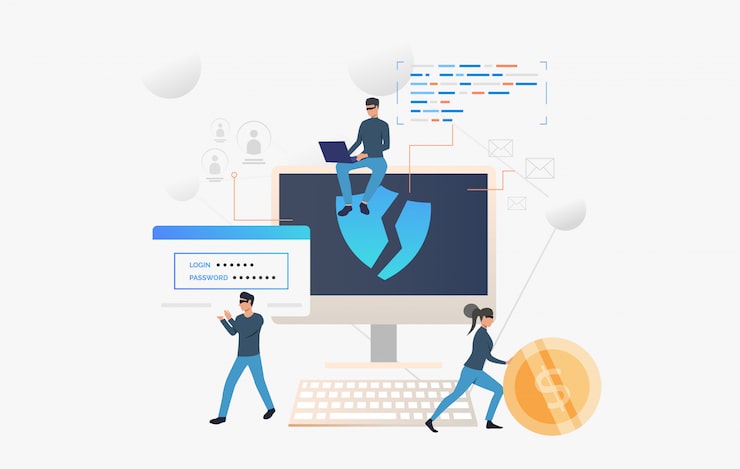
As digital dependency grows, cybercriminals are finding new ways to exploit vulnerabilities.
A single cyberattack can lead to:
- Financial losses
- Data theft
- Reputation damage
- Operational downtime
- Legal consequences
This is why cybersecurity is now essential for businesses of every size.
1. AI-Powered Cybersecurity Is Becoming Essential
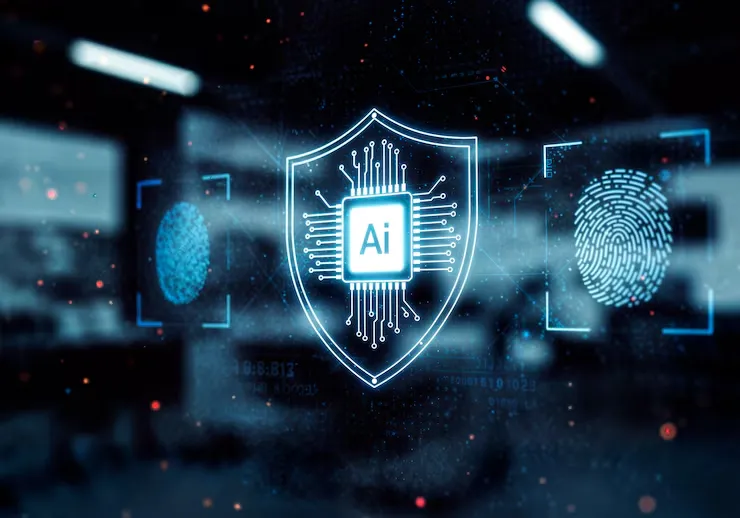
Artificial intelligence is transforming cybersecurity in powerful ways.
Traditional security systems often struggle to detect modern threats quickly. AI-powered cybersecurity tools can analyze massive amounts of data in real time and identify suspicious activity before damage occurs.
How AI Improves Cybersecurity
- Detects unusual behavior patterns
- Identifies malware faster
- Automates threat detection
- Reduces human error
- Improves response time
- Predicts future attacks
AI security systems can continuously learn from new threats, making them more effective over time. However, cybercriminals are also using AI to create more advanced attacks. This creates a growing cybersecurity arms race between attackers and defenders.
2. Zero Trust Security Is Becoming the New Standard

The traditional “trust but verify” model is disappearing.
Modern cybersecurity is shifting toward a zero trust approach, where no user or device is automatically trusted, even inside a company network.
Key Principles of Zero Trust
- Verify every login attempt
- Limit user access permissions
- Continuously monitor activity
- Use multi-factor authentication
- Segment sensitive systems
Zero Trust reduces the risk of internal breaches and unauthorized access.
Businesses adopting remote work and cloud environments are especially moving toward zero trust architectures in 2026.
3. Cloud Security Will Continue to Grow
Cloud computing has transformed business operations, but it has also introduced new security risks.
Businesses now store critical data across:
- cloud platforms
- SaaS applications
- remote servers
- hybrid infrastructures
This makes cloud security one of the fastest-growing areas in cybersecurity.
Future Cloud Security Trends
- Stronger cloud encryption
- AI-based cloud monitoring
- Secure access management
- Automated compliance tools
- Multi-cloud security strategies
At TechBits Systems, we help businesses secure cloud environments with modern security frameworks and monitoring solutions.
4. Ransomware Attacks Are Becoming More Advanced
Ransomware remains one of the most dangerous cyber threats worldwide.
Attackers now target:
- hospitals
- financial institutions
- schools
- government agencies
- small businesses
Modern ransomware attacks are becoming the following:
- more automated
- AI-assisted
- harder to detect
- more financially damaging
How Businesses Can Protect Themselves
- Regular data backups
- Employee security training
- Endpoint protection
- Network monitoring
- Multi-factor authentication
- Security patch management
Prevention is far less expensive than recovering from an attack.
5. Cybersecurity for Remote Workforces

Remote and hybrid work environments are now permanent for many organizations.
While remote work increases flexibility, it also creates additional security risks.
Employees working from home may use:
- unsecured Wi-Fi
- personal devices
- outdated software
- weak passwords
This expands the attack surface for cybercriminals.
Future Remote Security Solutions
- VPN security
- Device management systems
- Secure remote access
- Endpoint detection tools
- Identity verification systems
Businesses must secure not only office networks but also remote employees and mobile devices.
6. Biometric Authentication Is Expanding
Passwords alone are no longer enough.
Biometric authentication is becoming more common because it improves both security and user convenience.
Common Biometric Security Methods
- Fingerprint scanning
- Facial recognition
- Voice authentication
- Retina scanning
These technologies reduce the risks associated with stolen or weak passwords.
In the future, passwordless authentication systems will become increasingly popular.
7. Internet of Things (IoT) Security Challenges
The rise of connected devices has created new cybersecurity concerns.
IoT devices include:
- smart cameras
- connected sensors
- medical devices
- smart appliances
- industrial equipment
Many IoT devices have weak security protections, making them easy targets for attackers.
Future IoT Security Focus
- Device authentication
- Encrypted communication
- Firmware security updates
- Network segmentation
- Real-time monitoring
Businesses using IoT systems must prioritize device security from the beginning.
8. Cybersecurity Regulations and Compliance
Governments worldwide are introducing stricter cybersecurity and privacy regulations.
Businesses are now expected to:
- protect customer data
- report breaches quickly
- maintain secure systems
- follow compliance standards
Failure to comply can result in:
- heavy fines
- lawsuits
- loss of customer trust
Important Compliance Areas
- Data privacy
- Financial security
- Healthcare security
- Cloud compliance
- Customer data protection
Organizations must stay updated with changing regulations to avoid legal and financial risks.
9. Human Error Remains a Major Threat

Even with advanced security systems, human mistakes remain one of the leading causes of data breaches.
Employees may accidentally
- click phishing links
- share passwords
- download malicious files
- use insecure devices
Cybersecurity awareness training is becoming increasingly important.
Key Employee Security Practices
- Recognizing phishing emails
- Using strong passwords
- Avoiding suspicious downloads
- Securing devices
- Reporting unusual activity
Building a security-focused culture helps reduce human vulnerabilities.
10. The Future of Cybersecurity Is Proactive, Not Reactive
The cybersecurity industry is shifting from reactive defense toward proactive protection.
Modern businesses are investing in:
- predictive threat intelligence
- AI monitoring
- continuous security testing
- automated incident response
- threat hunting systems
Instead of waiting for attacks to happen, organizations now aim to prevent them before damage occurs.
This proactive approach will define cybersecurity strategies in the coming years.
How TechBits Systems Helps Businesses Stay Secure
At TechBits Systems, we understand that cybersecurity is critical for business continuity and digital growth.
We help businesses implement the following:
- secure cloud solutions
- cybersecurity monitoring
- data protection systems
- secure software development
- network security frameworks
- business continuity strategies
Our goal is to help organizations stay protected while confidently embracing digital transformation.
Final Thoughts
The future of cybersecurity will continue evolving as technology advances. Businesses that fail to adapt to modern security challenges risk financial losses, operational disruption, and reputational damage.
In 2026 and beyond, cybersecurity will focus heavily on:
- AI-powered protection
- Zero Trust security
- cloud security
- biometric authentication
- proactive threat detection
- employee awareness
Organizations that invest in strong cybersecurity today will be better prepared for the digital future.
As cyber threats become more advanced, businesses need trusted technology partners that understand both innovation and security. TechBits Systems remains committed to helping companies build secure, scalable, and future-ready digital environments.